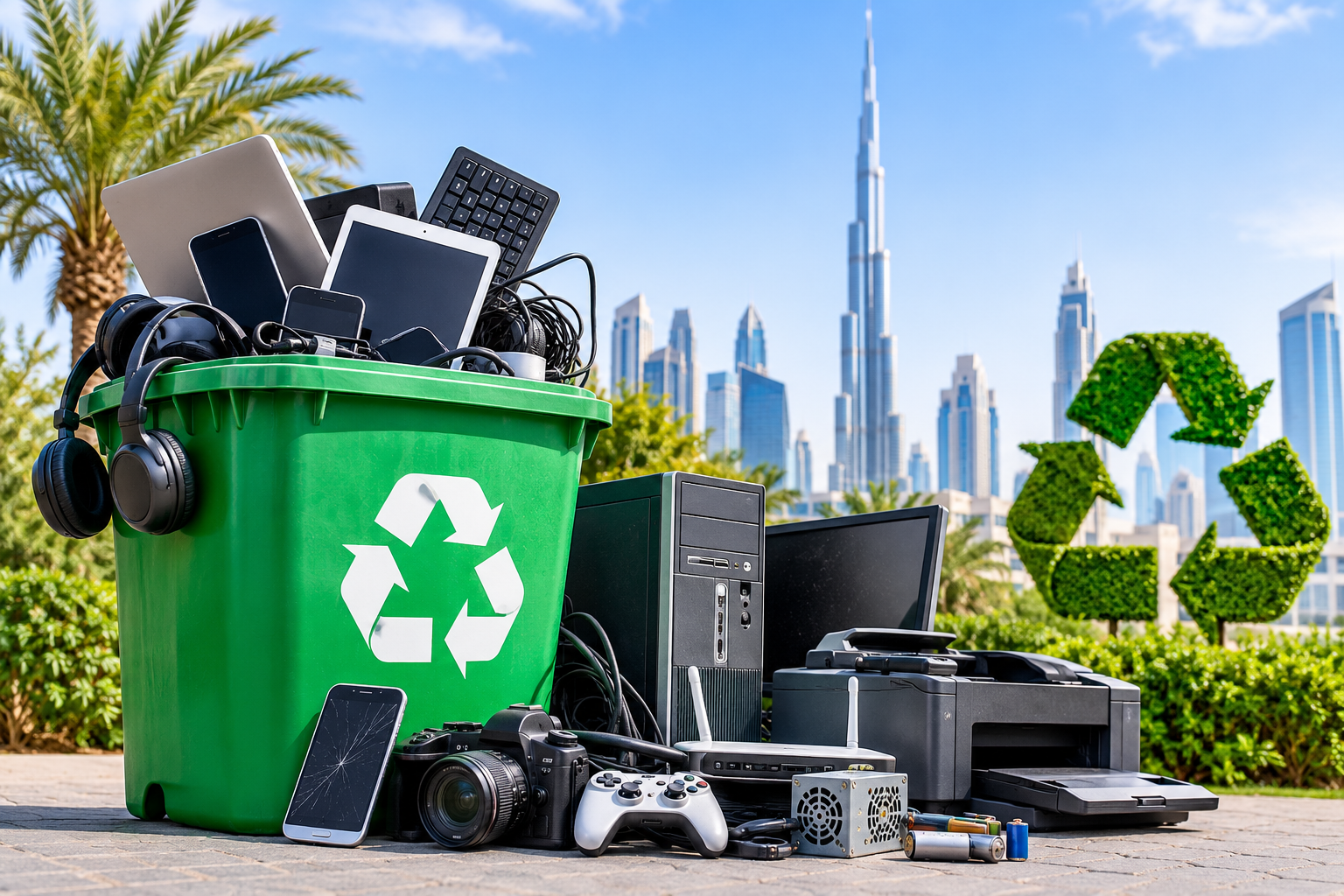
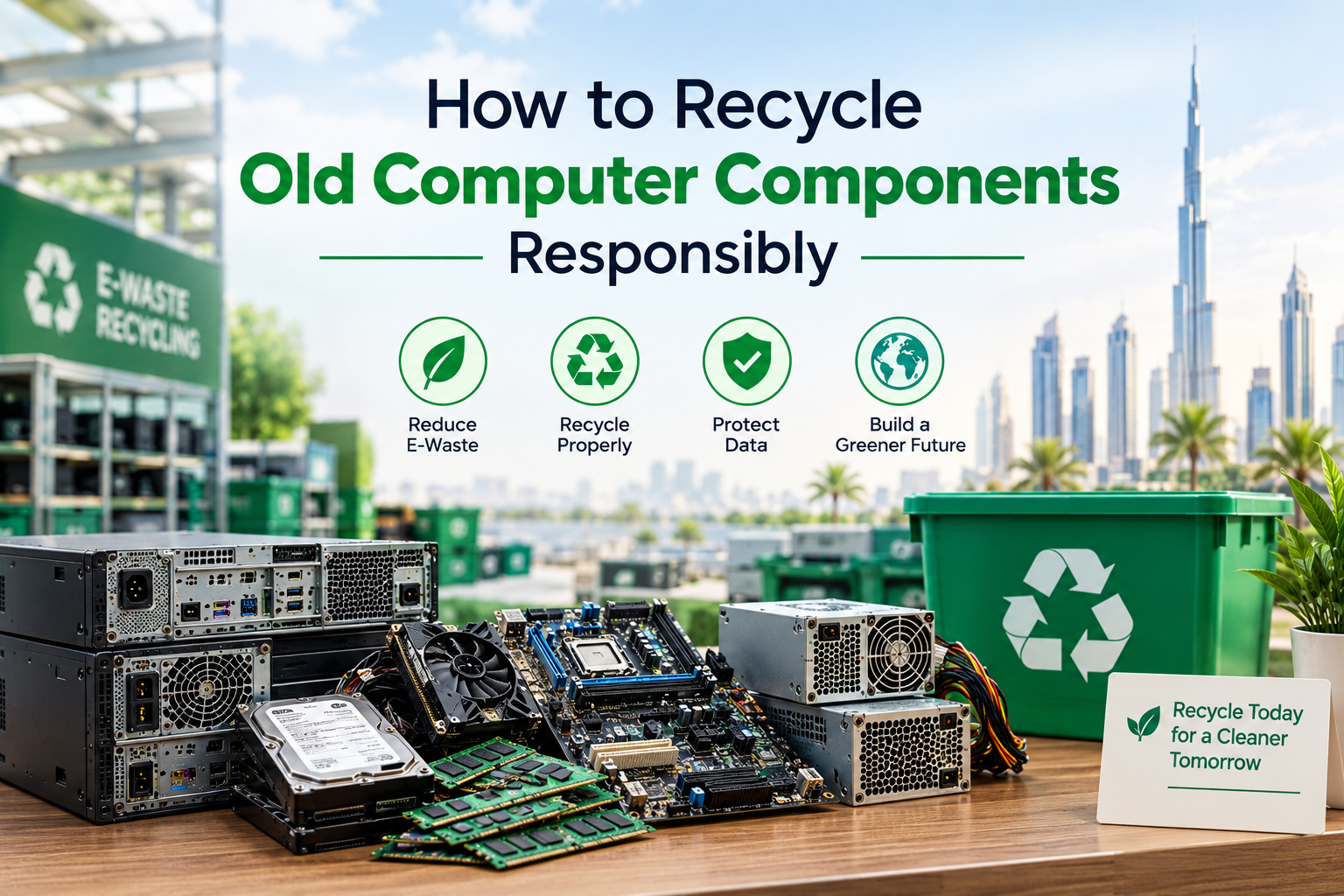
Electronic devices contain a combination of plastic, metal, glass, circuit boards, and other materials. When computers, printers, networking equipment, and other electronics reach the end of their useful life, these different materials need to be handled carefully. Plastic and metal components require different processing methods because their properties are not the same. Metals can often be separated and recovered, while electronic plastics may require sorting based on their type and composition.
Understanding how these materials are handled can help individuals and businesses make better decisions when managing unwanted electronic equipment.
Why Are Plastic and Metal Important in E-Waste?
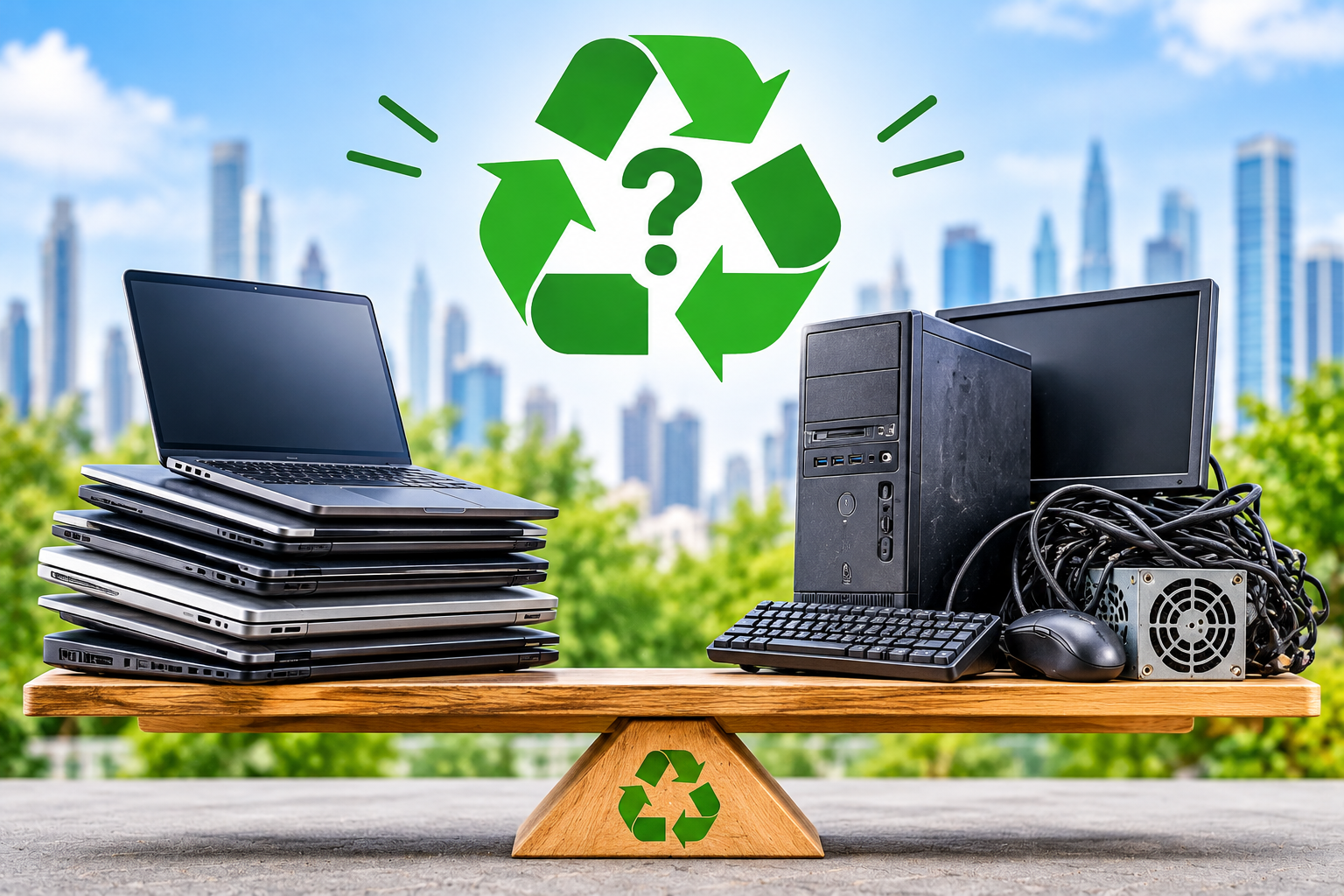
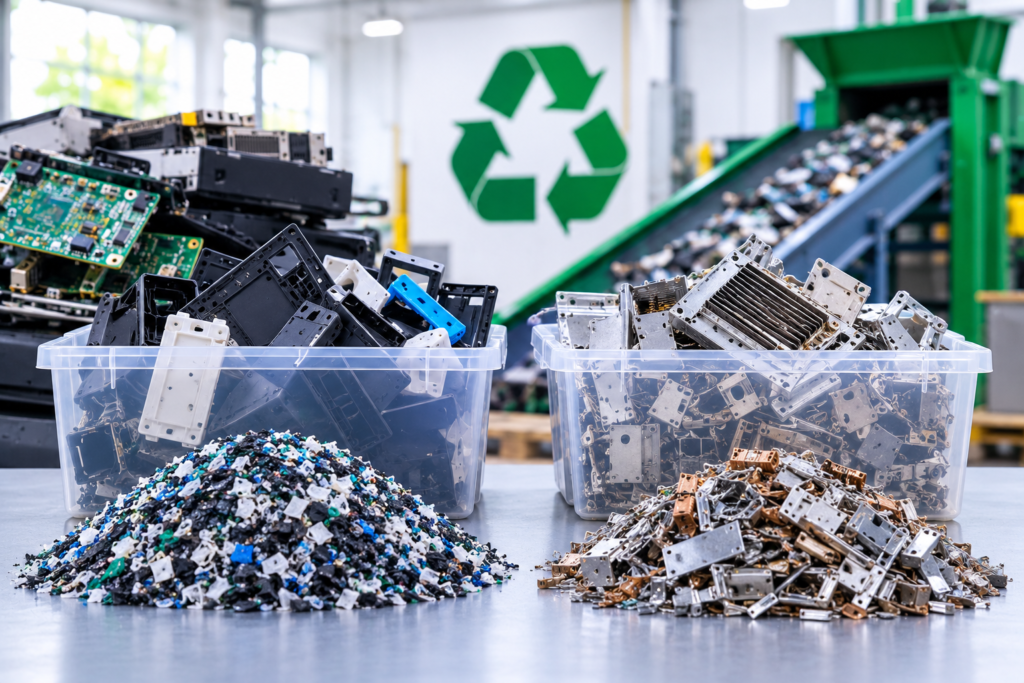
Plastic and metal make up a significant portion of many electronic devices. Computer cases, keyboards, cables, connectors, circuit boards, and other components can contain both materials. Metals such as aluminium, copper, steel, and other alloys can have material value. Plastics can also be separated and processed when they are suitable for further use.
The first step is usually identifying and separating different materials. This allows each category to be handled according to its properties rather than treating an entire electronic device as one material.
How Is Plastic Separated from Electronic Equipment?
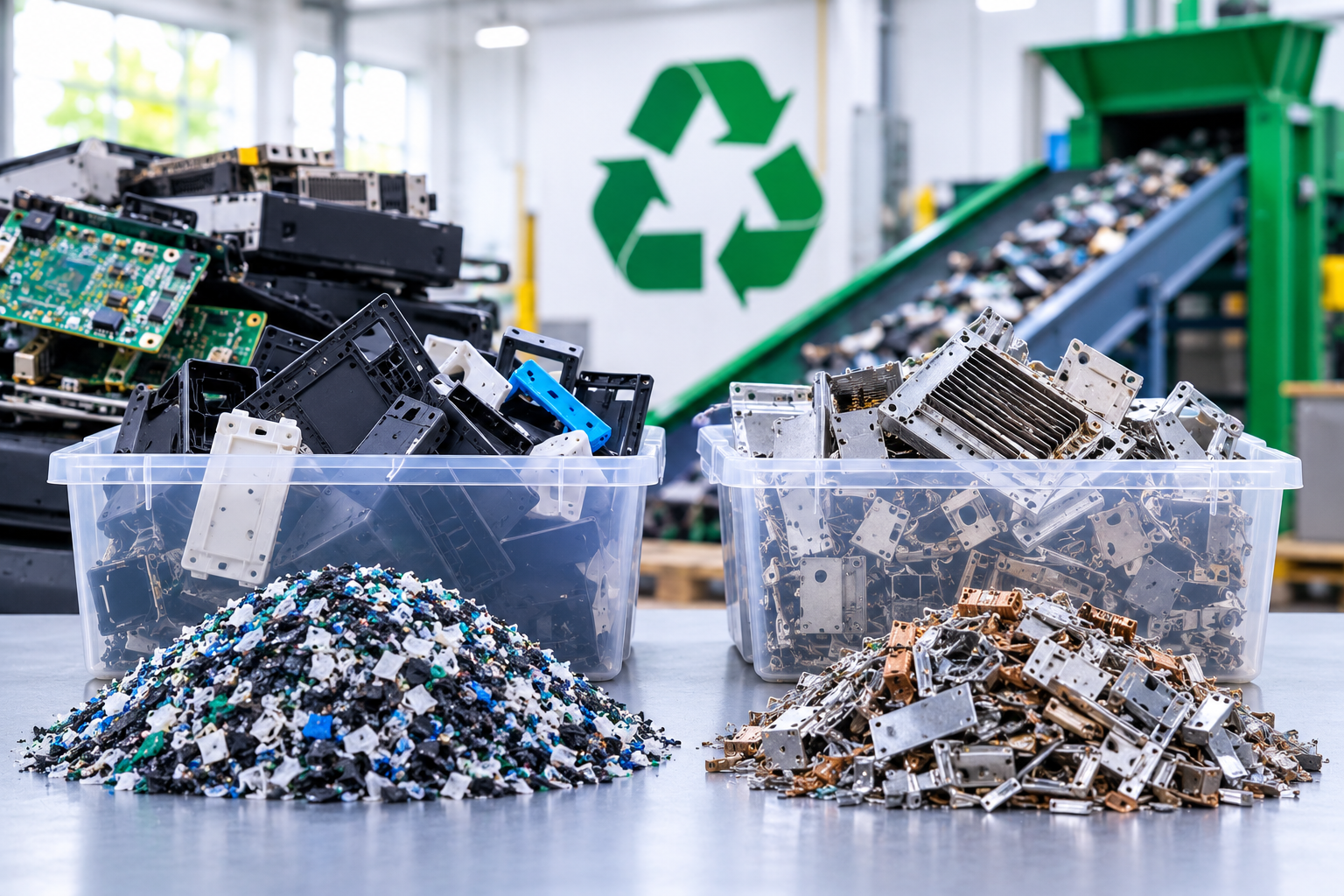
Plastic components can be found in computer housings, keyboards, printers, monitors, cables, and various internal and external parts. Before processing, equipment is generally dismantled and sorted into different material categories. The plastic e-waste recycling process may involve collection, dismantling, sorting, cleaning, shredding, and further processing. The exact method depends on the type and condition of the plastic.
Not every plastic component can be processed in the same way. Different plastics may have different compositions, additives, colours, and properties, making accurate sorting an important part of the process.
What Is the E-Waste Plastic Recycling Process?
The e-waste plastic recycling process generally starts with collecting electronic equipment and separating plastic components from metals, circuit boards, glass, and other materials. After separation, plastics may be sorted according to their material type. They can then be cleaned and processed into smaller pieces. Depending on their quality and composition, suitable materials may be prepared for further manufacturing applications.
Proper separation is important because mixed plastics can be more difficult to process. Contamination from other materials can also affect the quality of the recovered plastic.
How Are Metal Components Handled?
Metal components are commonly found throughout electronic devices. Copper can be present in cables and wiring, aluminium may appear in casings or heat sinks, while steel can be used in frames and structural parts. Metal e-waste recycling involves collecting and separating metal-containing components from electronic equipment. The materials can then be sorted and processed according to their type.
Magnetic separation may be useful for certain ferrous metals, while other techniques can help separate non-ferrous materials. The exact process depends on the equipment and material mixture.
Why Does Metal Separation Matter?
Metal separation helps prevent valuable materials from being mixed with unsuitable waste. It can also make subsequent processing more efficient. Circuit boards, cables, computer cases, connectors, and other components may contain different metals. Their composition and condition can affect how they are handled.
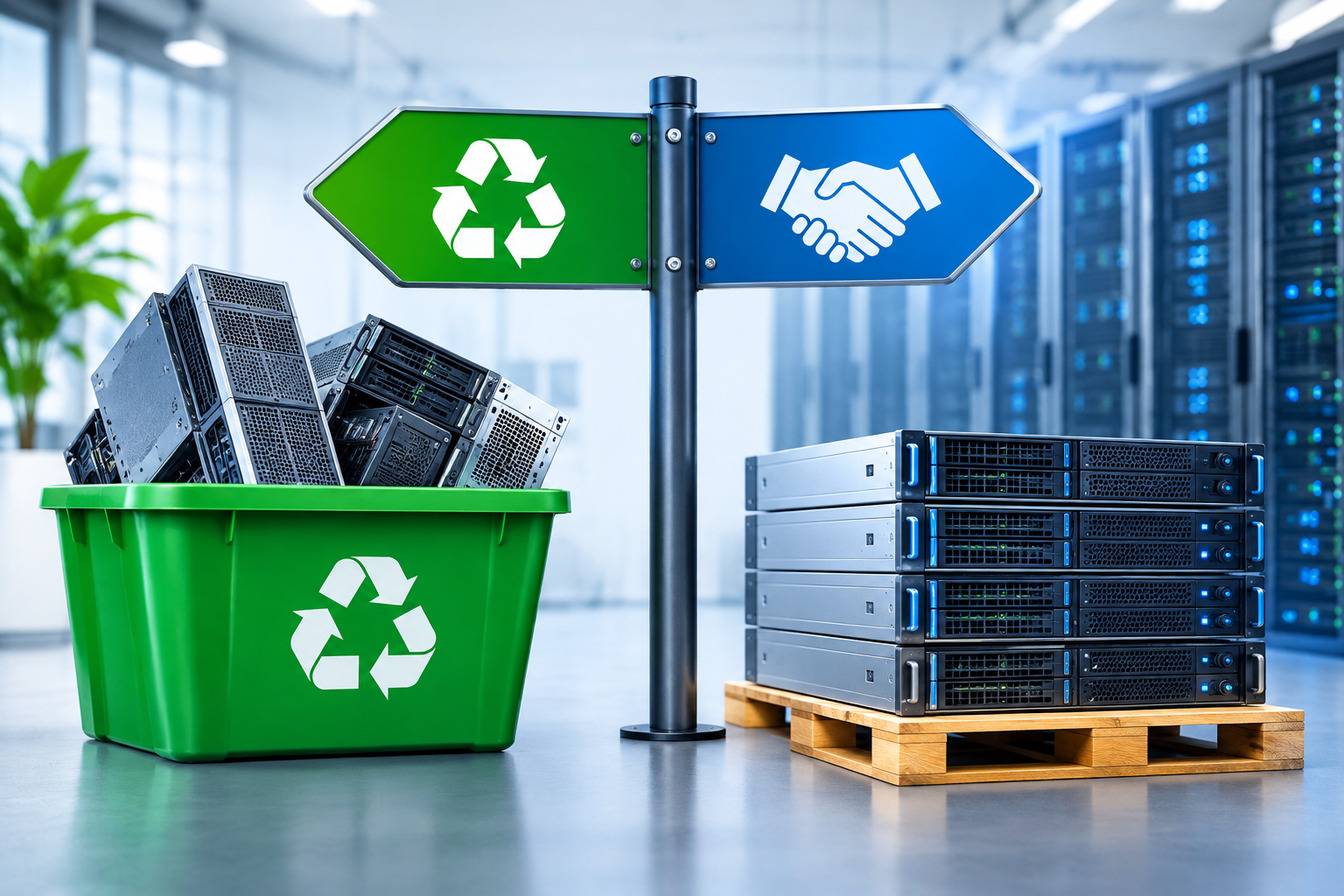
For businesses with large quantities of outdated IT equipment, separating devices into appropriate categories can make collection and assessment more organised.
Can Plastic Electronic Components Be Recovered?
Yes, some electronic plastics can be separated and processed depending on their composition, cleanliness, and condition. The process of recycling plastic electronic components requires careful sorting because electronics may contain several types of plastic. Components can also have coatings, labels, screws, metal inserts, or other materials attached to them.
Proper dismantling helps separate these additional materials. This makes it easier to determine which plastics are suitable for further processing and which require different handling.
How Are E-Waste Materials Managed in Dubai?
Dubai has a large business and technology sector, which means offices regularly replace computers, printers, networking devices, and other electronic equipment. When businesses have outdated equipment, they can look for appropriate collection and handling options. Electronic waste recycling Dubai services may assess equipment before determining how different materials should be managed.
Businesses should also consider data security before handing over computers and storage devices. Important information should be backed up and removed securely according to the organisation’s internal procedures.
What Businesses Should Do Before Collection
A simple preparation process can make electronic equipment handling easier.
- Identify the Equipment: Create a list of computers, printers, networking devices, cables, and other unwanted electronics.
- Separate Materials Where Practical: Keep different equipment categories organised instead of mixing everything together.
- Protect Sensitive Data: Back up important information and securely remove business or personal data from storage devices.
- Record Quantities: Note how many devices and components are available, particularly when clearing an entire office.
- Contact a Professional Buyer: Share the equipment details and ask about evaluation, collection, and payment procedures.
Get Professional Support for Your Unwanted IT Equipment
IT Scrap Buyer helps individuals and businesses manage unwanted IT equipment through a straightforward buying and collection process. Whether you have old computers, electronic components, networking devices, printers, or mixed IT equipment, our team can assess items according to their type, condition, and quantity.
We focus on transparent communication and convenient collection, helping sellers understand the potential value of their unwanted equipment. Instead of leaving outdated devices in storage, you can contact IT Scrap Buyer to discuss your requirements and arrange an evaluation. Businesses clearing multiple types of IT equipment can also benefit from handling their items through one convenient process. If you have old gaming systems or related equipment alongside your electronic scrap, our gaming desktops buyer service can help you explore your selling options.
Frequently Asked Questions
Plastic components are separated from other materials, sorted according to type, cleaned when necessary, and processed through suitable methods depending on their composition and overall condition.
Common metals include copper, aluminium, steel, and other alloys. Their presence varies by device, component, manufacturer, model, and construction, with different metals requiring appropriate processing.
Yes, suitable plastic components can be separated and sorted according to their material characteristics. Proper dismantling helps prevent contamination from metals, circuit boards, and other materials.
Separating equipment helps identify different materials and device categories. It can make assessment, inventory management, collection, and subsequent processing more organised, especially for large commercial quantities.
Companies should inventory their equipment, protect sensitive data, separate device categories, record quantities, and confirm collection and evaluation procedures with the selected professional service before handover.